"Where language learns to sparkle...!"
'Idioms: The Colorful Side of English'
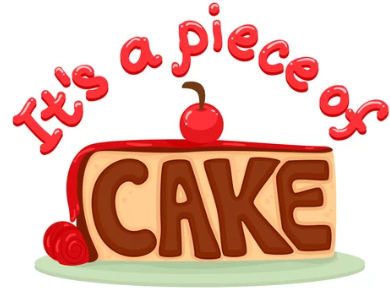
An idiom is a group of words that has a special meaning different from the literal meaning of the individual words. This means that when we read an idiom, we cannot understand it by translating each word separately. The real meaning of an idiom is hidden and must be learned as a complete expression. For example, the idiom “break the ice” does not mean breaking real ice; it means starting a friendly conversation. Similarly, “a piece of cake” does not refer to food but means something that is very easy to do. Idioms make language lively, expressive, and full of colour. They reflect the creativity of a language and the culture of the people who use it.
Examples of Idioms (With Meaning)
Some common idioms used in daily life are:
- “Once in a blue moon” – something that happens very rarely,
- “Spill the beans” – to reveal a secret,
- “Under the weather” – to feel sick,
- “On cloud nine” – to be very happy,
- “Burn the midnight oil” – to work or study late at night.
These idioms express big ideas in a short and impressive way. Instead of using long explanations, idioms help us communicate quickly and powerfully.
Idioms are used because they make communication easy, powerful, and emotionally rich. Instead of explaining feelings or situations in many words, idioms express them clearly in a short form. They make language sound natural and fluent, just like how real people speak. Idioms also help in making speech interesting instead of boring. When we use idioms, our language becomes more meaningful, expressive, and attractive. They help us sound confident and mature in communication. That is why idioms are used not only for beauty, but also for clarity and impact.
Before–After Comparison (How Idioms Change Content)
Example 1
Before (Without Idiom):
He was very nervous before giving the speech.
After (With Idiom):
He had butterflies in his stomach before giving the speech.
The second sentence is more expressive, vivid, and engaging.
Example 2
Before (Without Idiom):
This task is very easy for me.
After (With Idiom):
This task is a piece of cake for me.
The idiom makes the sentence shorter, smarter, and more stylish.
Example 3
Before (Without Idiom):
She revealed the secret accidentally.
After (With Idiom):
She spilled the beans accidentally.
The second version sounds natural and fluent, just like real conversation.
Idioms are like little stars in the sky of the English language. When you use them, your simple sentences shine with beauty, colour, and meaning. Every new idiom you learn makes you a stronger speaker and a more creative writer. Do not be afraid to try them in your daily speech or writing. Even if you make a mistake, you are learning and growing. Each idiom you remember is a step toward becoming a confident communicator and an expressive thinker.
Keep learning new idioms, use them in your stories, your conversations, and your classroom work. With regular practice, your language will become brighter, smoother, and more powerful every day.
Here are some commonly used idioms, grab it as much as you can!
Idioms with Their Meanings
- Break the ice – To start a conversation
- Piece of cake – Something very easy
- Once in a blue moon – Something that happens very rarely
- Spill the beans – Reveal a secret
- Under the weather – Feeling sick
- Hit the books – To study hard
- Cost an arm and a leg – Very expensive
- Bite the bullet – To face a difficult situation bravely
- On cloud nine – Extremely happy
- Burn the midnight oil – Work or study late into the night
- Let the cat out of the bag – Reveal a hidden truth
- Hit the nail on the head – To be exactly right
- Speak of the devil – The person you were talking about appears
- Up in the air – Something undecided
- Bend over backward – Try very hard to help someone
- A penny for your thoughts – Asking someone what they are thinking
- Kick the bucket – To die
- Cut corners – Do something poorly or cheaply
- Let sleeping dogs lie – Avoid reopening an old argument
- Pull someone’s leg – Tease or joke with someone
- Break a leg – Good luck
- Butterflies in the stomach – Feeling nervous
- The ball is in your court – It is your turn to take action
- Add fuel to the fire – Make a situation worse
- Hit the sack – Go to bed
- Call it a day – Stop working for the day
- A blessing in disguise – Something good that seemed bad at first
- When pigs fly – Something that will never happen
- The best of both worlds – Enjoying two different benefits at the same time
- In the same boat – Being in the same difficult situation as someone else
Let your words carry 'magic' not just alphabets!
Related News