
Designing Your Study Room for Better Focus!
The Science and Art of Productive Spaces
In today’s fast-paced world, staying focused has become increasingly difficult. With constant digital distractions, social media notifications, and multitasking habits, many students and professionals struggle to concentrate for long periods. While lack of motivation is often blamed, an equally important factor is often ignored, the environment we study in. A study room is not just a physical space; it plays a crucial role in shaping how effectively we think, learn, and work. Scientific research supports this idea. Studies in Environmental Psychology show that our surroundings directly influence our mental performance. Factors such as lighting, colors, organization, and even room design can affect attention span, memory, and stress levels. For instance, cluttered spaces can increase stress and reduce productivity, while well-organized environments help the brain process information more efficiently. This proves that creating the right study environment is not just a trend, it is a scientifically supported approach to improving focus.
The concept of a “study vibe” is closely linked to how our brain forms associations. When a space is specifically designed for studying, the brain begins to recognize it as a place for concentration and productivity. On the other hand, if the same area is used for multiple activities like scrolling on the phone, eating, or relaxing, it becomes harder for the mind to switch into focus mode. A well-designed study room sends a clear signal to the brain, making it easier to get into a productive mindset.
One of the most important aspects of decorating a study room is maintaining cleanliness and simplicity. A cluttered desk can overwhelm the mind and make it harder to concentrate. Keeping only essential items on the desk and organizing materials neatly helps create a sense of clarity. A minimal setup reduces distractions and allows the brain to focus entirely on the task at hand.Colors also play a subtle but powerful role in influencing focus. Soft tones like blue and green are known to promote calmness and concentration, while neutral shades help avoid overstimulation. Choosing the right color palette for your study room can create a soothing environment that supports long hours of work without causing mental fatigue.
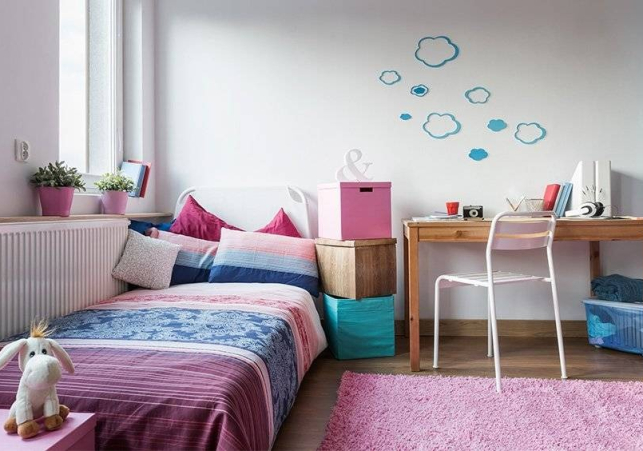
Lighting is another critical factor that should not be overlooked. Natural light is ideal, as it improves mood and keeps the mind alert. Placing a study desk near a window can make a significant difference. For evening study sessions, a good desk lamp with appropriate brightness helps reduce eye strain and maintain concentration. Poor lighting, on the other hand, can lead to tiredness and decreased productivity. Adding a touch of nature to the study room can further enhance focus. Indoor plants not only improve air quality but also have a calming effect on the mind. Even a small plant can make the space feel fresh and inviting, helping to reduce stress and improve overall well-being.
Creating a dedicated study zone is equally important. When a specific area is reserved only for studying, the brain begins to associate that space with work and discipline. Avoid using the study desk for entertainment or relaxation activities. This separation helps build a routine and makes it easier to focus whenever you sit down to study. Comfort should also be a priority when designing a study room. An uncomfortable chair or improper desk height can cause physical strain, which eventually affects concentration. A supportive chair and proper posture can make long study sessions more manageable and productive. Physical comfort directly contributes to mental endurance. At the same time, it is important to control distractions within the study environment. Keeping the phone away, reducing noise, and avoiding unnecessary items on the desk can significantly improve focus. A distraction-free environment allows the mind to stay engaged with the task for longer periods.
In the long run, a well-designed study room does more than just improve focus, it helps build discipline and consistency. When the environment supports your goals, studying becomes less of a struggle and more of a habit. You are more likely to stay committed and productive over time.
In conclusion, decorating your study room is not just about aesthetics but about creating a space that supports your mind. Scientific research clearly shows that our surroundings influence how we think and perform. By designing a clean, comfortable, and inspiring study environment, you can enhance your focus, reduce stress, and improve your overall productivity. Ultimately, the right study space can become a powerful tool in achieving your academic and professional goals.
Related News