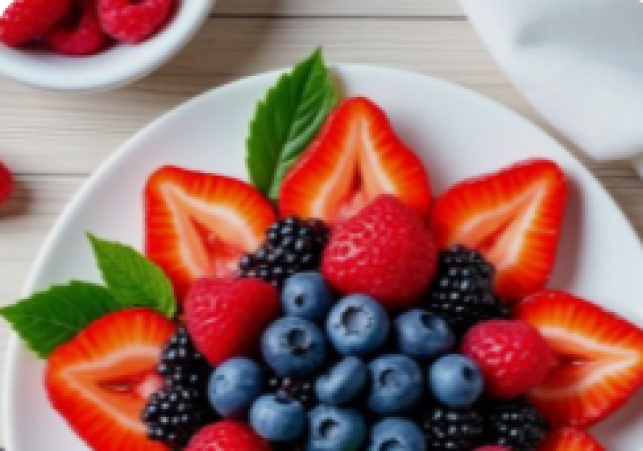
'Art You Can Taste'
The Beautiful Rise of Edible Art: When Food Becomes a Canvas
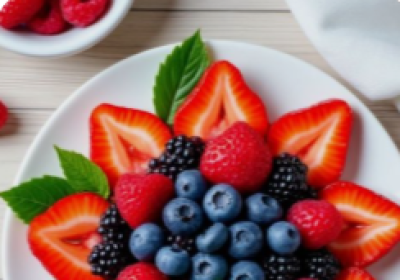
Food has always been a source of comfort, celebration, and culture. But in the modern creative world, food has taken on a new identity — a canvas for art. This is the story of Edible Art, an art form that turns everyday ingredients into visual masterpieces.
Food has always been a source of comfort, celebration, and culture. But in the modern creative world, food has taken on a new identity — a canvas for art. This is the story of Edible Art, an art form that turns everyday ingredients into visual masterpieces.
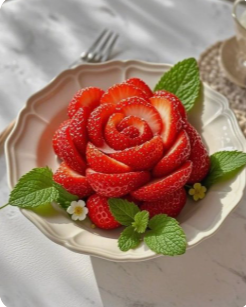
How and When Did Edible Art Begin?
Though the term edible art feels distinctly modern, its roots stretch deep into human history. Across cultures and centuries, food has always been more than mere sustenance—it has been a medium of celebration, symbolism, and creativity. In Japan, intricately crafted decorative bento boxes have long transformed everyday meals into delicate visual narratives. In India, traditions such as rangoli made with rice flour, fruit and vegetable carvings, and festival sweets adorned with natural colors reflect an early and vibrant form of edible artistry tied to rituals and joy. In Medieval Europe, royal chefs elevated sugar into sculptural masterpieces, creating extravagant figurines for grand feasts that displayed both wealth and imagination. The modern edible art movement, however, gained unstoppable momentum after the 2000s with the rise of social media, where beautifully plated dishes, mesmerizing cake-art videos, and creative kids’ lunchbox ideas found global audiences within seconds. In this digital era, food evolved from simple nourishment into a powerful visual language—one that tells stories, evokes emotions, and bridges cultures across the world.
Why Did Edible Art Emerge?
Edible art evolved for simple yet powerful reasons:
-To make food more appealing and memorable
-To encourage children to enjoy healthy meals
-To elevate celebrations with unique, custom designs
-To blend culinary skill with creativity
-To create an emotional connection between the creator and the eater
Beautiful food sparks joy. A plate that looks like a story instantly makes eating an experience, not just a routine.
A Short Heartwarming Story –“Mishty’s Rainbow Plate”
Mishty, a six-year-old girl, disliked vegetables. No amount of convincing worked — until one evening her mother created a “Rainbow Plate.”
Tomato flowers
Cucumber leaves
Carrot butterflies
Paneer clouds
Mishty stared at her plate in surprise, “Mom, this looks like a painting!”
For the first time, she finished her entire meal with a smile.
From that day on, edible art became their special bonding ritual — a moment of joy, creativity, and connection at the dinner table.
This story reminds us that edible art isn’t just food. It’s emotion, love, and storytelling served on a plate.
The Creative Process Behind Edible Art
Every edible artwork begins with a spark of imagination shaped into a thoughtful theme—be it nature, space, animals, or festive inspiration—setting the creative direction for the entire process. This vision then flows into careful ingredient selection, where vibrant fruits, crisp vegetables, aromatic herbs, smooth sauces, edible colors, fondant, and delicate rice paper are chosen not just for flavor, but for form and expression. With precision and patience, cutting and shaping follow, using knives, molds, cutters, and carving tools to sculpt raw ingredients into artistic elements. The true magic unfolds during plating and composition, where each piece is arranged like brushstrokes on a canvas, balancing color, texture, and emotion. Finally, finishing touches are added with seeds, herbs, and intricate details, breathing life into the creation. The result is a plate that feels like a visual masterpiece—too beautiful to eat, yet too delicious to resist.
Benefits of Edible Art
Encourages healthy eating
Boosts creativity in children and adults
Makes celebrations personalized and memorable
Helps with fine motor skills (cutting, shaping, arranging)
Supports sustainable practices using natural colors and ingredients
Creates emotional experiences — food that tells a story
The Future of Edible Art
The future of edible art is bright and innovative:
Edible art is rapidly evolving into a powerful blend of sustainability, technology, creativity, and wellness. With the rise of eco-friendly edible decorations and 3D-printed edible sculptures, food is no longer just meant to be consumed—it is designed, experienced, and celebrated. Healthy edible art kits for kids are opening doors to joyful learning, allowing children to explore creativity while developing better food habits. Food-based experiential workshops are transforming how people engage with culinary expression, turning passive consumption into active participation. Edible art is also finding a meaningful place in art therapy, where food becomes a medium for emotional expression, healing, and mindfulness. Driven by social media trends and the fusion of science with imagination, interactive edible designs are capturing global attention. As technology and creativity continue to grow hand in hand, edible art is now moving far beyond the kitchen—into schools, events, restaurants, and creative studios—shaping the future of how we create, learn, and experience food.
Conclusion
Edible art is more than beautiful food.
It is 'culture', 'creativity', 'emotion', and 'innovation' blended together.
Whether it's a child’s vegetable rainbow or a chef’s intricate sugar sculpture, edible art reminds us of one thing:
Food is not just for the body — it’s also for the soul!
Article by- Priyanka
Related News