'Colors of Tradition, Threads of Unity!'
World Cultures Dress-Up: Wearing the Wisdom of the World
In every corner of the world, clothing tells a story. It carries history, identity, craftsmanship, and the quiet pride of generations. World Cultures Dress-Up is a celebration that brings these stories to life — not through books or documentaries, but through the simple, meaningful act of wearing them. More than a theme day, it is a journey across continents stitched into fabric.
.png)
A Global Tradition that Grew with Global Minds
The idea behind cultural dress-up emerged naturally as our world became more connected. Schools, institutions, and community groups began recognizing that understanding culture is not just about memorizing facts, it is about experiencing them.
Traditional attire became a doorway:
-to history
-to geography
-to anthropology
-to empathy
By the early 21st century, World Cultures Dress-Up had taken shape as a global trend, celebrated for its ability to blend learning with joy.
Why Traditional Dress Matters
Clothing is one of the oldest languages humanity has spoken.
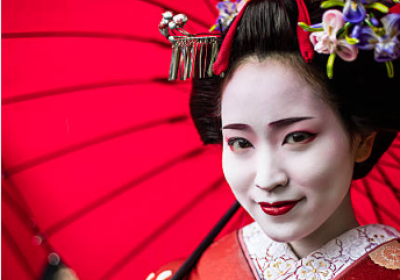
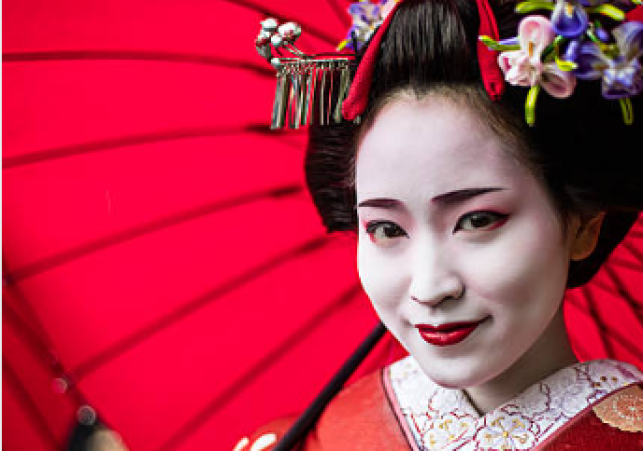
-A kimono reflects grace.
-A sari speaks of heritage and craftsmanship.
-A Maasai shuka symbolizes courage.
-A Korean hanbok expresses harmony.
-A Mexican huipil celebrates storytelling through embroidery.
These garments are not costumes — they are cultural archives. Through dress-up, children and adults get the rare opportunity to step into these archives, even if just for a moment, and understand how deeply clothing is tied to identity.
The Thoughtful Process Behind Cultural Dress-Up
A meaningful celebration requires intention. The best events follow four guiding steps:
1. Explore and Choose
Students select a country or culture that fascinates them.
2. Research the Story
They learn not just what people wear, but why they wear it —
the symbolism, the rituals, the seasons, the stories.
3. Create the Look
Some outfits are handcrafted, some borrowed, some re-imagined creatively with simple, sustainable materials.
4. Share the Experience
Parades, presentations, interviews, and exhibitions allow each child to teach others, building both knowledge and confidence. This process ensures cultural appreciation — not appropriation — and nurtures respectful global understanding.
What Students Gain From This Celebration
World Cultures Dress-Up is a powerful educational tool that builds:
Global Awareness: Students learn to value diversity.
Empathy: They understand perspectives beyond their own.
Creativity: Styling, crafting, and presenting become artistic experiences.
Confidence: Speaking about their chosen culture strengthens communication skills.
Cultural Sensitivity: They learn to approach traditions with respect and curiosity.
Most importantly, it inspires young minds to see themselves as part of a larger world.
The Future: A World Connected Through Culture
As education continues to evolve in a globally connected world, cultural dress-up is also expanding beyond traditional boundaries into innovative and meaningful
experiences. Virtual cultural exchange programs now allow students to explore global attire and traditions from their classrooms, breaking geographical barriers through technology. Digital fashion showcases provide young creators a platform to present traditional and fusion designs while learning about heritage, sustainability, and storytelling through clothing. Eco-friendly traditional wear projects are nurturing responsible creativity, encouraging students to use natural fabrics, recycled materials, and low-impact dyes. Collaborations with artisans across countries are reviving age-old crafts while giving learners direct exposure to authentic techniques and cultural narratives. School-to-school cultural partnerships further deepen this exchange by promoting shared celebrations, collaborative showcases, and mutual learning. Yet, despite these modern advancements, the goal remains constant—to celebrate the world’s beauty while fostering understanding, respect, and unity among future generations.
Conclusion: A Celebration of Humanity
World Cultures Dress-Up is far more than a celebration of costumes—it is a living lesson in respect, identity, and global harmony. Each culture showcased becomes a masterpiece of history, values, and human expression, and every student who participates steps into the role of a storyteller for the world. By wearing the colors, patterns, and textures of diverse traditions, learners do more than dress up—they begin to understand. And in that shared discovery lies a powerful truth: we may come from different lands and languages, yet we are all threads of the same beautiful human tapestry—unique in our differences, and deeply connected at heart.
Article by - Priyanka
Related News