
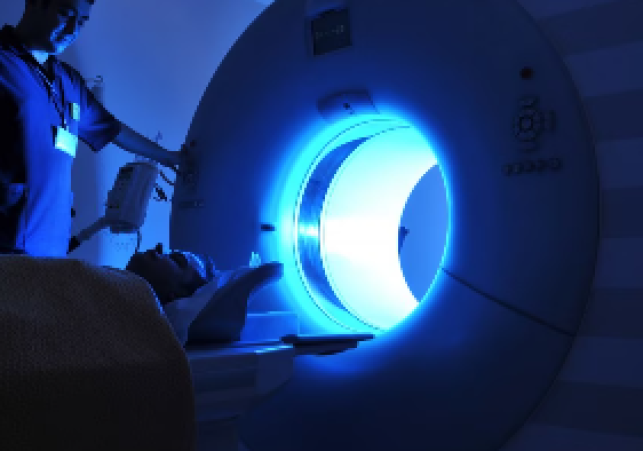
Where Precision Meets the Future of Healing...
Robotics in Surgery: How Technology Is Revolutionizing Modern Medicine
Robotics in surgery represents one of the most exciting and transformative breakthroughs in modern medicine. What was once a futuristic idea has now become an everyday reality in operating theaters around the world. With the help of advanced robotic systems, surgeons are performing complex procedures with unprecedented precision, reducing patient trauma and enhancing recovery. The evolution of medical technology, especially in surgical robotics, is not only improving outcomes but also reshaping how healthcare is delivered globally, including in India. From faster surgeries and reduced costs to better accuracy and expanded access, robotics is redefining what’s possible in surgical care.
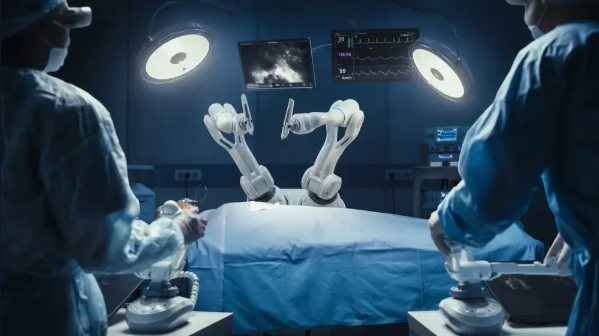
The Evolution of Technology in Surgery
The use of robotics in surgery stems from a long journey of innovation in medical technology. Traditional open surgeries paved the way for laparoscopic techniques in the late 20th century, reducing incision sizes and recovery times. Building on this progress, robotic systems were introduced to provide even greater precision and control. One of the most well-known platforms is the Da Vinci Surgical System, developed by Intuitive Surgical, which received FDA clearance in 2000 and has since been used in hundreds of thousands of procedures globally.
Early robotic systems like ZEUS and AESOP helped lay the foundation for modern devices that assist surgeons with delicate tasks, advanced imaging, and 3D visualization, allowing them to operate with precision beyond human hand limits. Over the years, developments in robotics, imaging, and computing have enabled surgical robots to handle complex cardiovascular, cancer, urological, and gastrointestinal procedures with higher accuracy and lower risk than ever before.
Benefits of Robotic Surgery: Precision, Speed, and Cost Efficiency
Robotic surgery offers several key advantages compared to traditional surgical methods:
Precision and Control
Robotic systems translate a surgeon’s hand movements into smaller, more precise actions inside the body. This allows for delicate procedures in hard-to-reach areas with enhanced control and stability, reducing the likelihood of damage to surrounding tissues.
Reduced Operation and Recovery Time
Because robotic surgery relies on minimally invasive techniques, patients experience smaller incisions, less blood loss, and faster healing. In many cases, hospital stays are shortened, leading to lower overall treatment costs and quicker returns to normal life.
Cost and Efficiency Improvements
While initial investments in robotic systems are substantial, their long-term benefits can include lower complication rates, reduced postoperative care costs, and increased throughput for surgical units. For healthcare systems, this means more efficient use of time and resources.
According to market research, the global robotic surgery market was valued at around ₹516 crore in 2021 and is expected to grow to over ₹2,100 crore by 2030, increasing at an annual rate of approximately 25%. This growth reflects healthcare providers’ confidence in the long-term value of robotic systems.
Robotic Surgery in India: Recent Developments and Success Stories
India is rapidly adopting robotic surgical technology, showcasing its potential to transform healthcare quality and access:
AIIMS, New Delhi: The All India Institute of Medical Sciences has recently completed over 1,000 successful robotic surgeries in just 13 months, ranging from gallbladder operations to complex hernia repairs. This milestone highlights both the scalability and effectiveness of robotic procedures in a public hospital setting.
Rajiv Gandhi Cancer Institute & Research Centre: The institute successfully performed India’s first tele-robotic surgery where doctors operated on a patient located over 2,000 km away using remote robotic technology; a step toward overcoming geographical barriers in access to specialized care.
Affordable Native Robotics Systems: Indian engineers are innovating with cost-effective robotic platforms like the Mantra Surgical System, which aims to make robotic surgery more accessible by reducing unit costs compared to international systems.
Other Leading Centers: Institutions such as AIIMS, Max Hospital, and Fortis are using advanced robotic technologies, including the Da Vinci system, across various departments for urology, gynecology, and general surgery.
Even long-standing programs such as the one at PGI Chandigarh have conducted over 3,500 robotic procedures, though they are now seeking upgrades to newer technology to enhance training and outcomes.
Real-World Impact and Institutional Adoption
Worldwide, robotic surgery is increasingly mainstream. For example, the UK’s National Health Service (NHS) aims to make robot-assisted procedures, the standard for many key surgeries by 2035, potentially doubling annual operations from 70,000 to 500,000 and significantly reducing wait times and hospital stays.
Advanced systems like ROSA are already used in over 120 hospitals globally for neurosurgical and brain procedures, demonstrating how robotics continues to expand into specialized medical fields.
These widespread adoptions reflect both institutional trust and patient demand for high-precision, cost-effective care.
How Technology Is Shaping the Future of Surgery
Technology in surgery is no longer limited to robotics alone. Integration with AI, IoT, and real-time analytics is improving decision-making and system responsiveness. Research in adaptive IoT-based robotic decision systems shows how future surgical platforms may further enhance precision and customize operations to individual patient data.
Emerging research also explores humanoid robots for teleoperated laparoscopic surgery, which could make advanced surgical care available in rural or low-resource areas.
Conclusion
Robotics in surgery represents a thrilling intersection of medicine and technology. It is one, that is already delivering tangible benefits in precision, safety, efficiency, and patient outcomes. From pioneering devices like the Da Vinci system to tele-robotic procedures and cost-effective indigenous platforms, robotic surgery is expanding healthcare access and capability. In India and around the world, leading hospitals and health systems continue to adopt and innovate with robotic technologies, signaling a future where advanced surgical care is more accessible, efficient, and effective than ever before.
By embracing robotics and related digital advances, the medical field is not just evolving, it is ‘revolutionizing’ how healing happens in the modern age.
Related News