

Today’s world demands more than just academic achievement from our children. It requires emotional strength, empathy, resilience, and healthy social skills. Emotional and social development affects how children understand themselves, relate to others, handle stress, and navigate life’s challenges. Parents, educators, and communities are recognizing that children who are emotionally intelligent and socially skilled tend to thrive not only in school but in life. This deep and holistic growth begins early and shapes children into compassionate, confident, and capable adults.
Emotional intelligence (EI) is the ability to recognize, understand, manage, and express emotions effectively. It empowers children to navigate life with self-awareness and grace.
Schools and programs across India and globally are now integrating Social Emotional Learning (SEL) into their curriculum to build EI as a foundational life skill. SEL teaches children to recognize their emotions, manage stress, show empathy, solve problems, and build positive relationships.
For example, many institutions like Akshara International School embed emotional intelligence into everyday school activities through reflection sessions, mindfulness practices, teamwork, and guided discussions. These activities help students understand their emotional responses and strengthen social awareness.
Emotional intelligence isn’t just “nice to have.” Research and educators consistently show that students with strong EI demonstrate:
These programs prepare children not only for exams but for life itself.
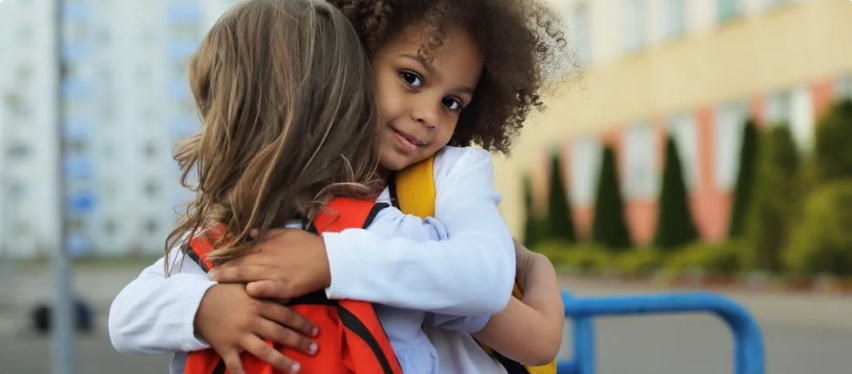
‘Empathy’ refers to ‘the ability to share and understand the feelings of others’ is a core ingredient of healthy relationships and compassionate communities. Kindness and empathy begin at home and are reinforced in schools and peer interactions.
Curricula like the Social Emotional & Ecological Knowledge (SEEK)© program in Mumbai’s BMC schools emphasize empathy alongside environmental awareness and social responsibility, encouraging students to appreciate diverse perspectives and practice kindness daily.
Successful empathy education helps children:
Both parents and schools play a key role. When kids see empathy in action, in family conversations, classroom activities, or community service, they internalize it as a strength, not a luxury.
Anger and stress are natural emotions, but unmanaged feelings can lead to conflict, frustration, and decreased well-being. Early skills in emotional regulation help children manage their responses healthily.
Across India, educators are responding to this need in innovative ways. Under the “Billion Minutes of Peace Appeal Project” in Ahmedabad, more than 5 lakh students in nearly 1,800 schools practice daily meditation to build emotional control and conflict resolution skills.
Such initiatives teach children to:
Learning these tools early creates lifelong habits that reduce aggression, anxiety, and impulsiveness.
Healthy social skills such as communication, cooperation, teamwork, and conflict resolution, are essential for friendships and future success. Social development begins in group play and grows through structured classroom activities, teamwork projects, and peer interactions.
International programs and schools like Cambridge Schools and GIIS incorporate SEL methods to help children express feelings, build friendships, and make responsible decisions as part of their student development framework.
Skillful social development results in:
Empowering children with these skills early builds a foundation for strong adult relationships and professional success.
Self-esteem is how children perceive their own worth. It shapes their confidence, motivation, and willingness to face challenges. Children with healthy self-esteem:
Schools and communities contribute to this by celebrating effort, not just success, and creating environments where every child feels valued.
Parents also play a vital role by:
Together, these influences nurture confident, resilient children who believe in themselves.
Across educational systems, emotional and social development is gaining priority alongside academic goals. Several noteworthy initiatives include:
‘Happiness Curriculum’ in Delhi Government schools, which focuses on mindfulness, critical thinking, and emotional well-being from early grades.
‘Khushi Shala’ in Rajasthan, which helps younger children manage emotions, accept success and failure, and practice compassion through structured activities.
‘Anand Sabha’ in Madhya Pradesh government schools, promoting happiness, mindfulness, and positive interaction among adolescents.
Peer support models like ‘Beacon Buddies’ in Mangaluru, where college students help fellow students with emotional support and awareness.
These programs reflect a growing understanding that education must equip children with emotional tools; not just academic knowledge.
Emotional and social development isn’t optional. It’s essential. In a rapidly changing world, children need more than academics; they need empathy, emotional regulation, social intelligence, and confidence. Schools, preschools, colleges, and communities are stepping up with thoughtful curricula, mindfulness practices, peer support groups, and values education to nurture these life skills.
When parents and educators work together to encourage emotional awareness, kindness, and resilience, we not only help children succeed in school, we help them thrive in life. Investing in emotional and social development today is an investment in a more compassionate, connected, and confident society tomorrow.
Copyright © MyskoolTimes © 2024 - 2025