


Water is one of the most important resources for agriculture. Nearly every food item we eat depends on water for its growth. However, due to climate change, population growth, and overuse of water resources, water scarcity has become a serious global challenge. Sustainable water management in agriculture focuses on using water wisely, efficiently, and responsibly so that farms can remain productive today and in the future. It helps farmers grow healthy crops while protecting rivers, groundwater, and ecosystems.
Sustainable water management in agriculture means using the right amount of water at the right time and in the right way. The goal is to reduce water wastage, improve crop yield, and protect natural water sources. It includes modern irrigation methods, traditional water-saving practices, and smart planning to ensure water is available for future generations.
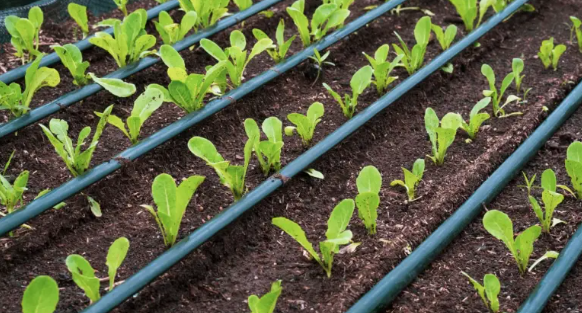
Agriculture is the largest user of freshwater worldwide, using about 70% of available freshwater resources. Poor water management can lead to water shortages, soil damage, and reduced crop production.
Efficient water use helps farmers:
Modern irrigation methods help deliver water directly to plant roots.
Rainwater harvesting means collecting and storing rainwater for future use.
Healthy soil holds water better.
Technology plays a big role in sustainable water use.
Choosing the right crops is essential.
Sustainable water practices help:
Today, many regions face frequent droughts and unpredictable rainfall. Sustainable water management helps farmers adapt to these challenges and ensures food security for growing populations. Governments, researchers, and farmers worldwide are promoting water-efficient farming to build climate-resilient agriculture systems.
Sustainable water management in agriculture is not just a farming practice. It is a responsibility. By using water carefully and efficiently, farmers can protect natural resources, improve crop productivity, and secure livelihoods. Simple actions like efficient irrigation, rainwater harvesting, and smart planning can make a big difference. When agriculture respects water, it supports life, nature, and a sustainable future for everyone.
Copyright © MyskoolTimes © 2024 - 2025