


In today’s world, agriculture is changing fast. Farmers no longer rely only on traditional methods. They are now embracing ‘precision agriculture and smart farming technologies’ to grow more food with fewer resources. These technologies use tools like GPS (Global Positioning System), sensors, artificial intelligence (AI), drones, and the Internet of Things (IoT) to make farming smarter, faster, and more sustainable. As the global population grows and climate change affects food production, these innovations are becoming essential for feeding the world while protecting the environment.
Precision agriculture (also called precision farming) means using digital technologies to observe, measure, and respond to field variability in real time so that crops receive exactly what they need; not too much and not too little. It combines data and technology to help farmers make data-driven decisions that save time, money, and natural resources.
Here are the main tools shaping modern agriculture:
GPS helps farmers steer tractors, plan field operations, and map fields with very high accuracy. This ensures planting, spraying, and harvesting are done without overlap, saving fuel and reducing waste.
IoT (Internet of Things) sensors placed in fields collect real-time data on soil moisture, temperature, humidity, and nutrient levels. This information helps manage irrigation, detect problems early, and avoid wasteful practices.
AI analyzes large amounts of data gathered from sensors and drones to predict issues like pest attacks, water stress, and crop diseases. AI helps farmers take action before problems get worse.
Drones (Unmanned Aerial Vehicles)
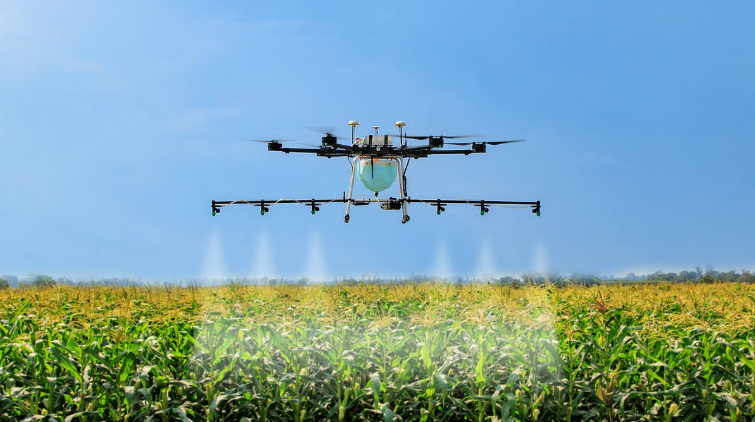
Drones fly over fields capturing high-resolution images that show crop health, water needs, and pest infestations. This helps farmers monitor large areas quickly and accurately. Farmers can even use drones for targeted spraying of fertilizers and pesticides.
Smart tractors and robotic harvesters can work with precision using GPS and sensor data. They reduce labor needs, operate consistently, and improve efficiency.
Tools like drones and sensors allow farmers to see what’s happening in the field every day without walking long distances. This leads to early detection of crop stress, diseases, and nutrient deficiencies.
Smart irrigation systems use soil moisture data to water crops only where and when needed. This can save up to 25–35% of water while maintaining plant health.
Precision farming helps increase crop productivity by giving plants the right amount of water and nutrients. It also reduces waste, meaning less fertilizer and pesticide use overall.
By using inputs more accurately, precision agriculture reduces pollution, conserves water, and lowers greenhouse gas emissions. This supports long-term environmental health.
Current Developments in Precision Agriculture
Precision and smart farming technologies are not just trends. They are solutions for global challenges such as:
By using technology, farmers can adapt to these challenges and continue to grow safe, high-quality food for the world.
Precision agriculture and smart farming technologies are transforming the future of farming. With tools like GPS, IoT sensors, AI, and drones, farmers can monitor crop health, optimize resource use, and make informed decisions faster than ever before. These innovations help increase crop yields, reduce costs, protect the environment, and build climate-resilient farming systems. As technology continues to advance, precision agriculture will play a vital role in ensuring sustainable food production for future generations.
Copyright © MyskoolTimes © 2024 - 2025