


Agriculture is more than growing crops. It shapes our food, environment, and future. Today, scientists and farmers around the world are increasingly adopting sustainable and regenerative agriculture practices to protect the soil, increase biodiversity (variety of living organisms), and make farming more resilient to climate change. These practices focus on building soil health, reducing environmental damage, and increasing farm productivity without relying heavily on synthetic (man-made) chemicals.
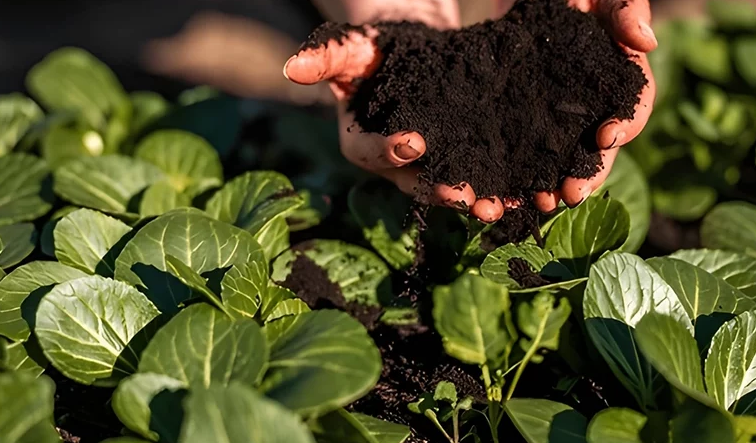
Sustainable agriculture means farming in ways that meet today’s food needs while protecting soil, water, air, and biodiversity for future generations. Regenerative agriculture goes one step further. It restores and improves the land so that soil becomes richer and farms become stronger against changing weather, pests, and droughts.
Here are some main techniques adopted worldwide:
Instead of plowing or turning the soil (which breaks up soil structure), no-till farming leaves crop residues (old plant remains) on the surface. This:
(Tillage = preparing soil for planting by turning it over.)
Cover crops are plants grown not for harvest but for protecting and enriching soil between main crops. Examples include clover, rye, and legumes (like beans).
These crops:
Rather than growing the same crop again and again, farmers rotate plants — like cotton one season and legumes the next. This:
(Diversification = growing a variety of crops instead of just one.)
Agroforestry means growing trees and crops together or combining trees with grazing livestock. Trees:
In carbon farming, farmers adopt practices specifically to capture carbon dioxide (CO₂) from the air and store it in the soil. Methods like no-till, cover cropping, and adding trees all help reduce greenhouse gasses linked to climate change.
(Carbon sequestration = storing carbon in soil and plants instead of it staying in the atmosphere.)
Sustainable and regenerative farming practices help soil become rich in organic matter (natural material from plants and animals). Healthy soil can hold more water, which helps crops survive during dry periods. It also improves soil structure, allowing roots to grow deeper and stronger. Over time, healthy soil feeds crops naturally and reduces the need for chemical fertilizers.
Biodiversity Boost
These farming methods support a wide variety of life forms such as plants, insects, birds, earthworms, and helpful microbes (tiny living organisms in soil). When different species live together, they create a balanced and healthy ecosystem. Beneficial insects help control pests naturally, reducing crop damage. This balance makes farms stronger and more productive in the long run.
Soils with high organic matter can handle extreme weather conditions better. They absorb excess water during heavy rains and retain moisture during droughts. This helps protect crops from damage caused by floods or long dry spells. As a result, farmers can continue growing food even as climate patterns become more unpredictable.
Sustainable agriculture reduces the need for synthetic fertilizers and chemical pesticides. This means fewer harmful chemicals enter rivers, lakes, and groundwater. Cleaner water helps protect wildlife and human health. Reduced chemical use also improves air quality and makes farming safer for both farmers and nearby communities.
With climate change, soil degradation, and water scarcity affecting farms worldwide, sustainable and regenerative agriculture offers real solutions. These practices not only improve crop yields and farmer profitability but also protect our planet, conserve water, and keep ecosystems vibrant.
Sustainable and regenerative agriculture is more than a farming trend. It's a pathway to environmental and economic well-being. By using methods like no-till farming, cover cropping, agroforestry, and carbon farming, we help soil stay healthy, boost biodiversity, store carbon, and make farms stronger against climate stress. These techniques reduce chemical use, protect our water and air, and build food systems that are both productive and planet-friendly.
When farms work with nature instead of against it, everyone wins- from small farmers to local communities and the entire world!
Copyright © MyskoolTimes © 2024 - 2025