Turning Students into Thinkers and Researchers
Developing Critical Thinking and Research Skills in Senior Classes: Building Future-Ready Learners
In today’s fast-changing world, education is no longer just about memorising facts and scoring marks. For senior class students in Class 11 and 12, the ability to think critically and conduct meaningful research is becoming indispensable. These skills help students not only excel academically but also prepare for higher education, career challenges, and real-life decision-making. Experts argue that embedding critical thinking and research skills into the curriculum can transform learners into independent thinkers, problem solvers, and confident communicators; abilities that traditional rote learning often fails to develop.
Why Critical Thinking Matters in Senior Classes
Critical thinking is the ability to analyse information, evaluate ideas, and make reasoned decisions rather than accepting data at face value. In senior classes, where learners face complex subject matter and real-world problems, this skill becomes even more essential. Research shows that students with strong critical thinking skills perform better academically, engage more deeply with content, and demonstrate greater curiosity and intellectual resilience.
In fact, studies have found that critical thinking and academic success reinforce each other over time. Students who think reflectively and analytically tend to understand subjects more deeply, and this in turn further strengthens their reasoning abilities.
Moreover, in the age of information overload, students frequently encounter conflicting perspectives, misinformation, and biased sources. Critical thinking equips them to assess reliability, distinguish fact from opinion, and draw logical conclusions, skills that are important both in academic research and daily life.
The Power of Research Skills in Senior Secondary Education
While critical thinking focuses on how students think, research skills teach them how to find, interpret, and use information effectively. Effective research skills include identifying credible sources, organising information, analysing data, and presenting findings clearly.
Research projects in senior classes serve multiple purposes. They not only enhance subject understanding but also encourage students to think independently, explore topics deeply, and develop academic confidence. Well-guided research can foster autonomy, curiosity, and higher-order cognitive skills, enabling students to tackle unfamiliar issues with confidence.
A study on secondary school students showed that well-designed research tasks play a key role in boosting critical thinking - especially when students are actively involved in problem solving, evaluating evidence, and reflecting on their findings.
Practical Approaches to Developing These Skills in Classrooms
Senior secondary teachers can adopt a range of classroom strategies that go beyond traditional lectures:
1. Inquiry-Based Learning and Open-Ended Questions
Instead of asking students to memorise information, teachers can pose open-ended questions that require exploration and justification. Questions like “What could be the long-term effects of climate change on our region?” or “How would you defend your idea with evidence?” stimulate analysis and deeper thinking.
Inquiry-based learning encourages students to ask questions, seek answers, and think independently, strengthening both their critical thinking and research capabilities.
2. Problem-Based and Project-Oriented Activities
Presenting real-world problems and letting students devise solutions bridges classroom learning with practical life skills. For example, exploring renewable energy solutions, developing a business proposal, or analysing a historical event from multiple perspectives pushes students to research, evaluate data, and present reasoned conclusions.
Such projects take students beyond textbooks, encourage collaboration, and reveal the value of evidence-based reasoning and structured thinking.
3. Collaborative Learning and Discussions
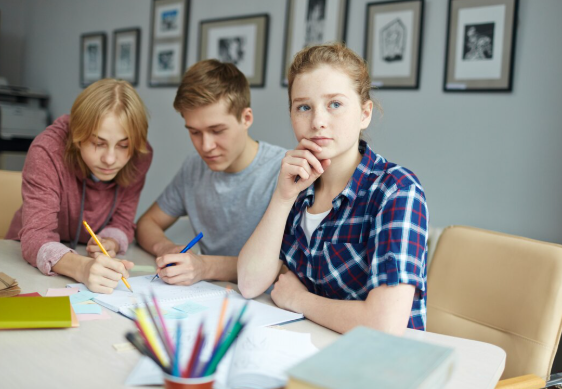
Encouraging students to work in teams, debate ideas, and present opposing viewpoints exposes them to diverse perspectives. Group discussions and peer learning help them refine their arguments, listen actively, and reassess assumptions — all essential elements of critical thinking.
4. Reflective Thinking and Metacognition
Reflection is key to developing self-awareness about one’s own thought processes. Teachers can integrate practices like journaling, self-assessment, and post-activity reflections to help students recognise their strengths, identify areas for improvement, and refine their reasoning strategies.
5. Technology and Research Tools
Digital tools such as academic databases, online libraries, and scholarly search platforms help students access credible information. When used effectively, technology enhances research skills, supports deeper inquiry, and broadens perspectives. Platforms like Google Scholar or online simulations can also introduce students to diverse ideas, encouraging them to explore beyond the textbook.
The Long-Term Benefits for Students
Developing critical thinking and research skills prepares students for competitive examinations, higher education, and future careers. Many employers today seek individuals who can analyse issues, adapt to change, make informed decisions, and communicate effectively; competencies rooted in critical thinking and research.
Beyond academics and careers, these skills empower students to become informed citizens who can engage thoughtfully with social, ethical, and global challenges, contributing meaningfully to society.
Conclusion
In an educational landscape that demands adaptability, creativity, and deep understanding, fostering critical thinking and research skills in senior classes is no longer optional. It is essential. Through inquiry-based learning, practical projects, collaborative debates, reflective practices, and effective use of technology, teachers can transform classrooms into environments that nurture independent thinkers and confident researchers. These skills not only enrich academic success but also prepare young minds for the complexities of the modern world.
Related News


