
One World, Many Abilities, Infinite Possibilities!
Creating Inclusive Social Spaces for Specially-Abled Children
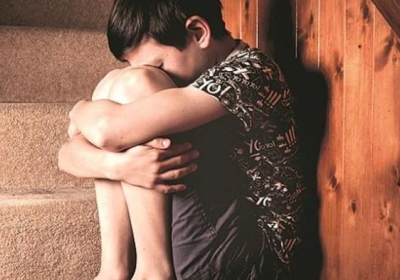
In every society, social spaces such as schools, parks, community halls, festivals, birthday parties, and public events play an important role in shaping a child’s personality. These spaces help children learn how to communicate, build friendships, express emotions, and gain confidence. However, for many specially abled children, these spaces are often difficult to access or unwelcoming. Physical barriers, lack of awareness, social stigma, and insensitive behavior can make them feel isolated and ignored.
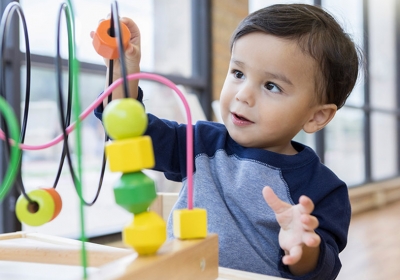
Specially abled children include those with physical disabilities, learning difficulties, hearing or visual impairments, autism, and other developmental challenges. Like all children, they dream of playing freely, making friends, participating in celebrations, and being accepted without judgment. When society fails to include them, it not only limits their growth but also weakens the moral strength of the community.

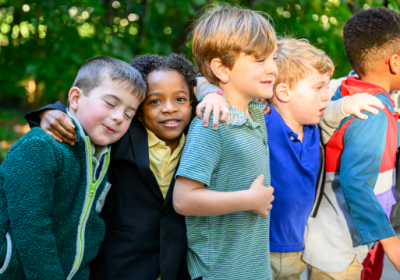
Creating inclusive social spaces means designing environments where every child feels safe, respected, and valued. It means going beyond sympathy and offering equal opportunities for participation. In today’s world, where awareness about diversity and equality is growing, building such inclusive spaces has become both a ‘social duty’ and a ‘human responsibility’.
Why Are Inclusive Social Spaces Important?
Inclusive social spaces help specially abled children grow emotionally, socially, and mentally. When children are included in group activities, they feel confident and motivated. They learn important life skills such as teamwork, communication, and problem-solving. At the same time, other children also learn empathy, patience, and respect for differences.
According to global studies, millions of children live with some form of disability, and many still face social exclusion. When inclusive environments are created, these children show better academic performance, improved mental health, and stronger social relationships. Inclusion benefits not only individuals but the entire society.
Our Social Responsibilities Towards Specially Abled Children
Building inclusive social spaces is not the responsibility of the government ‘alone’. It is a shared duty of families, schools, communities, and citizens. Each person’s attitude and action can make a big difference in a child’s life.
As a society, we must first understand that disability is not a weakness. Every child has unique talents and potential. When we create welcoming environments, we help specially abled children discover their strengths and develop self-confidence. Respectful behavior, supportive language, and positive encouragement can help them feel emotionally secure.
Parents and guardians should encourage their children to participate in social events and interact freely. They must teach them that everyone deserves equal respect. Schools and teachers should promote inclusive learning and social activities where children of all abilities can take part together. Event organizers and community leaders must ensure that programs are designed keeping accessibility in mind.
Most importantly, citizens should stop discrimination, teasing, and insensitive remarks. A small act of kindness, such as offering help or showing patience, can change a child’s experience completely.
Key Social Responsibilities (Points)
- Treat specially abled children with dignity and respect
- Encourage equal participation in social and cultural events
- Promote awareness about disabilities in schools and communities
- Support parents and caregivers emotionally and socially
- Stop bullying, discrimination, and negative labeling
- Celebrate diversity and uniqueness in every child
Steps to Enhance Participation in Social Events
To make social spaces truly inclusive, practical steps must be taken at every level.
-First, public places and event venues should be physically accessible. This includes ramps, wide entrances, handrails, accessible washrooms, and proper seating arrangements. Sensory-friendly spaces should also be created for children who are sensitive to noise and crowds.
-Second, activities should be designed in such a way that all children can participate. Games, competitions, and performances must be flexible and adaptable. Group activities should focus on cooperation rather than competition.
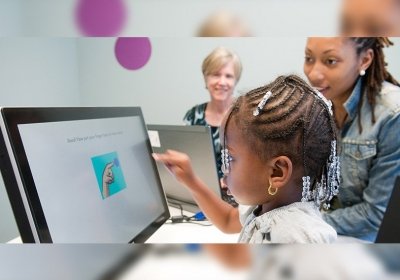
-Third, communication support is essential. Visual instructions, simple language, sign language interpreters, and assistive devices should be provided whenever needed.
-Fourth, volunteers and staff should be trained in disability awareness. They should know how to interact politely, offer help respectfully, and handle emergency situations.
-Finally, children should be encouraged to express their opinions. Their feedback can help improve future events and make them more inclusive.
Government Initiatives and Support in India
The Indian government has introduced several programs to support specially abled children and promote social inclusion.
The Deendayal Disabled Rehabilitation Scheme (DDRS) supports organizations that provide education, training, and rehabilitation services. It helps in improving social participation and independence.
The Samagra Shiksha Mission focuses on inclusive education by providing financial support, special educators, assistive devices, and accessible infrastructure in schools.
The Rights of Persons with Disabilities Act, 2016 ensures equal rights, protection from discrimination, and access to public spaces and services.
Many state governments are also working on inclusive playgrounds, special sports programs, skill development centers, and community awareness campaigns. These initiatives aim to create a more supportive and equal environment for children with special needs.
Building an Inclusive Future
Inclusive social spaces are not created overnight. They require continuous effort, understanding, and cooperation. When communities work together, they can transform ordinary places into safe and joyful spaces for every child.
By promoting ‘empathy’, ‘accessibility’, and ‘participation’, we can ensure that specially abled children grow with confidence and dignity. They should never feel like outsiders in their own society. Instead, they should feel proud, valued, and empowered.
Let us move towards a future where every child, regardless of ability, can laugh freely, dream boldly, and live with equal opportunities. Creating inclusive social spaces is not just about infrastructure but it is about building a kinder and more humane world.
Related News